- ...
typically1.1
- The names give an indication of the corresponding
wavelength region, B FOR BLUE, V FOR VISUAL, R FOR RED, U FOR
UV (IN THE DIRECTION OF THE UV-THAT IS), I FOR IR.
.
.
.
.
.
.
.
.
.
.
.
.
.
.
.
.
.
.
.
.
.
.
.
.
.
.
.
.
.
.
- ... extended1.2
- Very nearby stars can be resolved
with special techniques.
.
.
.
.
.
.
.
.
.
.
.
.
.
.
.
.
.
.
.
.
.
.
.
.
.
.
.
.
.
.
- ...
energy/time/area/steradian.1.3
- A solid angle is usually expressed
in steradians, or arc sec
 , see
http://whatis.techtarget.com/definition/0,,sid9_gci528813,00.html.
, see
http://whatis.techtarget.com/definition/0,,sid9_gci528813,00.html.
.
.
.
.
.
.
.
.
.
.
.
.
.
.
.
.
.
.
.
.
.
.
.
.
.
.
.
.
.
.
- ...
independent1.4
- This is only true for relatively nearby
galaxies. On cosmological distance the SB decreases with distance
because of the redshift.
.
.
.
.
.
.
.
.
.
.
.
.
.
.
.
.
.
.
.
.
.
.
.
.
.
.
.
.
.
.
- ...arcsec\
2.1
- An arcsec is a 60th of an arc minute, or 1/3600th of a
degree. Now we can do much better!
.
.
.
.
.
.
.
.
.
.
.
.
.
.
.
.
.
.
.
.
.
.
.
.
.
.
.
.
.
.
- ... radians2.2
- We've used the fact that this
angle is very small.
.
.
.
.
.
.
.
.
.
.
.
.
.
.
.
.
.
.
.
.
.
.
.
.
.
.
.
.
.
.
- ...
find2.3
- The amount of dust is not the same everywhere: there are
regions where the absorption is much stronger, not surprisingly called
dark clouds, and some directions along which the absorption is much
less, a well known direction is called Baade's window.
.
.
.
.
.
.
.
.
.
.
.
.
.
.
.
.
.
.
.
.
.
.
.
.
.
.
.
.
.
.
- ... Roto-vibrational3.1
- Most transitions you know, which
occur in the visible and UV-part of the spectrum, are electronic
transitions: in emission, they occur because an electron changes from a
higher energy state to a lower one, e.g. from
 for
the hydrogen Lyman-
for
the hydrogen Lyman- transition, and from
 for
the hydrogen H transition. And in absorption, they go the other
way around. But molecules also have excited levels due to their
rotation or vibration. Since these are also quantum-mechanical the
energy levels are quantised. And transitions between them correspond to
rotational or vibrational transitions. Since the energy-levels are
lower they correspond to longer wavelengths - typically mm and cm:
in the radio.
for
the hydrogen H transition. And in absorption, they go the other
way around. But molecules also have excited levels due to their
rotation or vibration. Since these are also quantum-mechanical the
energy levels are quantised. And transitions between them correspond to
rotational or vibrational transitions. Since the energy-levels are
lower they correspond to longer wavelengths - typically mm and cm:
in the radio.
.
.
.
.
.
.
.
.
.
.
.
.
.
.
.
.
.
.
.
.
.
.
.
.
.
.
.
.
.
.
- ... interferometers.3.2
- One way to think of
this is to realise in good `mirror' the departure from the ideal
shape should not be larger than some small fraction of the wavelength
of the radiation you plan to observe. So for optical telescopes, it
should be of the order of 500nm, say, but for radio-waves, fractions of a
mm, and up to a m. There is a down-side. The resolution you get, when
making diffraction limited observations, is of order
 , where
 is the wavelength, and
  the diameter of the telescope. And
so, radio-telescopes have to be much bigger to obtain a similar
resolution. In an interferometer, instead of building one giant dish -
which would be very expensive, and difficult to move - one builds many
smaller dishes, put far apart, and combines their output. The result is
that the effective is not the size of a dish, but rather the
biggest distance between them. What you loose, is that the collecting
area is only the sum of the sizes of all dishes, not
the diameter of the telescope. And
so, radio-telescopes have to be much bigger to obtain a similar
resolution. In an interferometer, instead of building one giant dish -
which would be very expensive, and difficult to move - one builds many
smaller dishes, put far apart, and combines their output. The result is
that the effective is not the size of a dish, but rather the
biggest distance between them. What you loose, is that the collecting
area is only the sum of the sizes of all dishes, not  .
.
.
.
.
.
.
.
.
.
.
.
.
.
.
.
.
.
.
.
.
.
.
.
.
.
.
.
.
.
.
.
- ...
mission3.3
- http://astro.estec.esa.nl/Hipparcos/
.
.
.
.
.
.
.
.
.
.
.
.
.
.
.
.
.
.
.
.
.
.
.
.
.
.
.
.
.
.
- ...GAIA3.4
- http://astro.estec.esa.nl/GAIA/
.
.
.
.
.
.
.
.
.
.
.
.
.
.
.
.
.
.
.
.
.
.
.
.
.
.
.
.
.
.
- ... Helium3.5
- The Big
Bang produced hydrogen, helium, and trace amounts of more massive
elements
.
.
.
.
.
.
.
.
.
.
.
.
.
.
.
.
.
.
.
.
.
.
.
.
.
.
.
.
.
.
- ... Silicon3.6
- And they produced the
stuff we are made of
.
.
.
.
.
.
.
.
.
.
.
.
.
.
.
.
.
.
.
.
.
.
.
.
.
.
.
.
.
.
- ... stars3.7
- The Sun is thought to be a third
generation star.
.
.
.
.
.
.
.
.
.
.
.
.
.
.
.
.
.
.
.
.
.
.
.
.
.
.
.
.
.
.
- ... regions.4.1
- Many molecules in the earth's
atmosphere, for example water, absorb infrared light in their molecular
bands, which is why it is difficult to perform infrared observations
from the ground. Some IR observatories have moved to the South pole,
where there is much less water vapour.
.
.
.
.
.
.
.
.
.
.
.
.
.
.
.
.
.
.
.
.
.
.
.
.
.
.
.
.
.
.
- ...
at4.2
- One of the more famous HII regions is the Orion nebula,
M42.
.
.
.
.
.
.
.
.
.
.
.
.
.
.
.
.
.
.
.
.
.
.
.
.
.
.
.
.
.
.
- ... spectra.4.3
- The
strongest line from a Planetary Nebula is O[III], which is a forbidden transition. This means that the quantum mechanical
probability is zero, and such lines are not observed in laboratory
environments. The reason that the line does occur is because a
collision with another particle makes the transition possible. But
because the transition is forbidden, once the photon is produced, it
has no trouble escaping the nebula.
.
.
.
.
.
.
.
.
.
.
.
.
.
.
.
.
.
.
.
.
.
.
.
.
.
.
.
.
.
.
- ...4.4
- Recall that transitions to
 are called the
Lyman series and to
are called the
Lyman series and to  the Balmer series. Furthermore, a transition
 to
to  are `counted' with the Greek alphabet, and so
 is called H,
 is
H
is
H ,
,
 is Lyman,
 is Lyman, etc.
.
.
.
.
.
.
.
.
.
.
.
.
.
.
.
.
.
.
.
.
.
.
.
.
.
.
.
.
.
.
- ... (anti-aligned).4.5
- Two bar magnets can of course have
any angle between them. But for quantum mechanical spins, this is
impossible, and they are either fully aligned, or fully anti-aligned,
with nothing in between! So the analogy only goes so far.
.
.
.
.
.
.
.
.
.
.
.
.
.
.
.
.
.
.
.
.
.
.
.
.
.
.
.
.
.
.
- ...
interactions.4.6
- Interactions between the spin and the orbital angular momentum of the electron also result in slightly
different energy levels and transitions.
.
.
.
.
.
.
.
.
.
.
.
.
.
.
.
.
.
.
.
.
.
.
.
.
.
.
.
.
.
.
- ... transitions.4.7
- Energy can be stored in rotation of
the molecule. In a quantum mechanical description, the amount you can
store is quantised. Rotational transitions are transitions between
different rotation speeds of the molecule.
.
.
.
.
.
.
.
.
.
.
.
.
.
.
.
.
.
.
.
.
.
.
.
.
.
.
.
.
.
.
- ... CO.4.8
- In different books, you'll find
slightly different numerical pre-factors in the definition of the Jeans
length and Jeans mass.
.
.
.
.
.
.
.
.
.
.
.
.
.
.
.
.
.
.
.
.
.
.
.
.
.
.
.
.
.
.
- ... by4.9
- An even better way would be to find the
dispersion relation that relates the speed of a wave to its
wavelength.
.
.
.
.
.
.
.
.
.
.
.
.
.
.
.
.
.
.
.
.
.
.
.
.
.
.
.
.
.
.
- ...
rotation5.1
- The inner parts go around faster than the outer
parts, so differential rotation, as opposed to say solid body
rotation.
.
.
.
.
.
.
.
.
.
.
.
.
.
.
.
.
.
.
.
.
.
.
.
.
.
.
.
.
.
.
- ...fig:Oort)5.2
- We are
describing the motion of stars in the plane of the disk, hence
the galactic coordinate

.
.
.
.
.
.
.
.
.
.
.
.
.
.
.
.
.
.
.
.
.
.
.
.
.
.
.
.
.
.
- ... (LSR)5.3
- Note that this is not an inertial
reference frame!
.
.
.
.
.
.
.
.
.
.
.
.
.
.
.
.
.
.
.
.
.
.
.
.
.
.
.
.
.
.
- ... and5.4
- This only works when
 ,
i.e. toward the centre, since in the outer parts there is no unique
orbit that you can associate with a given velocity.
,
i.e. toward the centre, since in the outer parts there is no unique
orbit that you can associate with a given velocity.
.
.
.
.
.
.
.
.
.
.
.
.
.
.
.
.
.
.
.
.
.
.
.
.
.
.
.
.
.
.
- ...
galaxies.5.5
- There is a third way out: may be gravity does not
behave as expected on these large scales, or for these small
accelerations. This is not so easy to dismiss as you might think: we
have no measurements on other scales, for example in the solar system,
or in the laboratory, that can test the small acceleration regime that
applies on galactic scales. The theory of Modified Newtonian Dynamics (MOND) is able to provide very good fits to
measured rotation curves with a small modification of gravity that
cannot be probed in other regimes.
.
.
.
.
.
.
.
.
.
.
.
.
.
.
.
.
.
.
.
.
.
.
.
.
.
.
.
.
.
.
- ...
contrast5.6
- the relative difference in density at given
 from
the centre, within vs outside of the arm
from
the centre, within vs outside of the arm
.
.
.
.
.
.
.
.
.
.
.
.
.
.
.
.
.
.
.
.
.
.
.
.
.
.
.
.
.
.
- ... other.5.7
- The
tidal force exerted by the moon causes the tides in the earth's
oceans.
.
.
.
.
.
.
.
.
.
.
.
.
.
.
.
.
.
.
.
.
.
.
.
.
.
.
.
.
.
.
- ...
velocities6.1
- The quoted velocity is wrt to the centre of mass
velocity of the MW. Do not confuse these with Oort's high velocity
stars, which are typically low mass, low metallicity stars in the Galactic Halo. The velocities of Oort's stars are of order
200 km s
 . The present high velocity stars are typically
  -type stars,
presumably born in the disk, that have acquired their high velocity
following a super nova explosion.
-type stars,
presumably born in the disk, that have acquired their high velocity
following a super nova explosion.
.
.
.
.
.
.
.
.
.
.
.
.
.
.
.
.
.
.
.
.
.
.
.
.
.
.
.
.
.
.
- ... speed6.2
- Stars travelling at the local
escape speed are just able to leave the potential well and escape to
infinite.
.
.
.
.
.
.
.
.
.
.
.
.
.
.
.
.
.
.
.
.
.
.
.
.
.
.
.
.
.
.
- ...
6.3
 is the radius of the circular orbit around the MW,
at the position of the Sun - the solar galacto-centric radius.
is the radius of the circular orbit around the MW,
at the position of the Sun - the solar galacto-centric radius.
.
.
.
.
.
.
.
.
.
.
.
.
.
.
.
.
.
.
.
.
.
.
.
.
.
.
.
.
.
.
- ... means6.4
- Remember: we've
only derived a lower-limit to the MW mass, hence a lower-limit to the
mass-to-light ratio.
.
.
.
.
.
.
.
.
.
.
.
.
.
.
.
.
.
.
.
.
.
.
.
.
.
.
.
.
.
.
- ... MW6.5
- What one
measures is the radial velocity wrt to the Sun. Since the Sun is
on a (nearly) circular orbit around the MW, one needs to correct the
measured heliocentric velocity to obtain the radial velocity of
Andromeda wrt the MW.
.
.
.
.
.
.
.
.
.
.
.
.
.
.
.
.
.
.
.
.
.
.
.
.
.
.
.
.
.
.
- ... accurate6.6
- From
properties of the micro-wave background radiation.
.
.
.
.
.
.
.
.
.
.
.
.
.
.
.
.
.
.
.
.
.
.
.
.
.
.
.
.
.
.
- ... MW6.7
- Equation (6.11) has no
unique solution for
 , since it describes motion in a periodic
orbit. On its first approach, should be the smallest
solution to the equation.
, since it describes motion in a periodic
orbit. On its first approach, should be the smallest
solution to the equation.
.
.
.
.
.
.
.
.
.
.
.
.
.
.
.
.
.
.
.
.
.
.
.
.
.
.
.
.
.
.
- ... so6.8
- Recall that the luminosity of stars
scales with their mass quite steeply,
 , with
 , and hence
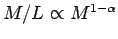 . See your notes
on stars, p. 34.
. See your notes
on stars, p. 34.
.
.
.
.
.
.
.
.
.
.
.
.
.
.
.
.
.
.
.
.
.
.
.
.
.
.
.
.
.
.
- ... profile7.1
- rather, a characteristic distribution function, the density of stars in six-dimensional
position and velocity space.
.
.
.
.
.
.
.
.
.
.
.
.
.
.
.
.
.
.
.
.
.
.
.
.
.
.
.
.
.
.
- ...
alive7.2
- Recall that massive stars have short lifetimes.
.
.
.
.
.
.
.
.
.
.
.
.
.
.
.
.
.
.
.
.
.
.
.
.
.
.
.
.
.
.
- ... bremsstrahlung7.3
- German
for `braking radiation'.
.
.
.
.
.
.
.
.
.
.
.
.
.
.
.
.
.
.
.
.
.
.
.
.
.
.
.
.
.
.
- ... cools.7.4
- Also the ions
collide of course, but since they are much more massive than the
electron, their acceleration is far smaller, and hence their radiation
is negligible.
.
.
.
.
.
.
.
.
.
.
.
.
.
.
.
.
.
.
.
.
.
.
.
.
.
.
.
.
.
.
- ... numbers8.1
- A
handy approximate relation is
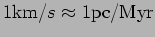 .
.
.
.
.
.
.
.
.
.
.
.
.
.
.
.
.
.
.
.
.
.
.
.
.
.
.
.
.
.
.
.
- ... time9.1
- If
 is the typical velocity
of a galaxy in a cluster of galaxies, and
is the typical velocity
of a galaxy in a cluster of galaxies, and  is the radius of the
cluster, then the crossing time
is the radius of the
cluster, then the crossing time
 , i.e. it is the
typical time a galaxy takes to cross the cluster once.
, i.e. it is the
typical time a galaxy takes to cross the cluster once.
.
.
.
.
.
.
.
.
.
.
.
.
.
.
.
.
.
.
.
.
.
.
.
.
.
.
.
.
.
.
- ... clusters9.2
- Except in the inner parts of some
cooling flow clusters
.
.
.
.
.
.
.
.
.
.
.
.
.
.
.
.
.
.
.
.
.
.
.
.
.
.
.
.
.
.
- ... value9.3
- Recall that the sun contains a mass
fraction of 0.02 of metals.
.
.
.
.
.
.
.
.
.
.
.
.
.
.
.
.
.
.
.
.
.
.
.
.
.
.
.
.
.
.
- ... gas9.4
- Recall that the nucleus of a Deuterium atom differs
from that of ordinary Hydrogen in that it has a proton and a neutron.
.
.
.
.
.
.
.
.
.
.
.
.
.
.
.
.
.
.
.
.
.
.
.
.
.
.
.
.
.
.
- ... Remember10.1
- It is
unfortunate that absolute magnitude and mass are both denoted by
 .
.
.
.
.
.
.
.
.
.
.
.
.
.
.
.
.
.
.
.
.
.
.
.
.
.
.
.
.
.
.
.
- ... A11.1
- The
redshifting of the spectral lines is due to the expansion of the
Universe. By measuring the expansion rate, one can convert redshift to
distance, assuming a cosmological model.
.
.
.
.
.
.
.
.
.
.
.
.
.
.
.
.
.
.
.
.
.
.
.
.
.
.
.
.
.
.
- ...
3C 4811.2
- The C stands for Cambridge - this is the third
Cambridge radio-survey.
.
.
.
.
.
.
.
.
.
.
.
.
.
.
.
.
.
.
.
.
.
.
.
.
.
.
.
.
.
.
- ...
series11.3
- The Balmer series is the series of electronic
transitions in an atom which starts with the H line
(
), then H (
) etc.
.
.
.
.
.
.
.
.
.
.
.
.
.
.
.
.
.
.
.
.
.
.
.
.
.
.
.
.
.
.
- ...
distance11.4
- The `velocity' of such distant objects is not a
real velocity in the sense that something is moving. The velocity
results from space expanding, and it is often better to not convert
this to velocity at all - just use the cosmological model to find the
relation between the redshift
 and distance.
.
.
.
.
.
.
.
.
.
.
.
.
.
.
.
.
.
.
.
.
.
.
.
.
.
.
.
.
.
.
- ... current11.5
- March 2003. The
text book we're using, OC, states we know 5000 of them. And that we
know `several' with redshift greater than 4. This just shows you
how rapidly this field is evolving.
.
.
.
.
.
.
.
.
.
.
.
.
.
.
.
.
.
.
.
.
.
.
.
.
.
.
.
.
.
.
- ... idea11.6
- You may argue we
should use special relativity. In fact, we need general relativity to
make proper sense of this.
.
.
.
.
.
.
.
.
.
.
.
.
.
.
.
.
.
.
.
.
.
.
.
.
.
.
.
.
.
.
- ...
minutes11.7
- To do this properly, we need to take (special)
relativistic effects into account. But if you do everything properly,
you get a similar answer to what we found.
.
.
.
.
.
.
.
.
.
.
.
.
.
.
.
.
.
.
.
.
.
.
.
.
.
.
.
.
.
.
- ... object11.8
- Actually, annihilation of
matter-anti-matter is even better!
.
.
.
.
.
.
.
.
.
.
.
.
.
.
.
.
.
.
.
.
.
.
.
.
.
.
.
.
.
.
- ...
schemes11.9
- i.e. theories that try to explain QSO activity in terms
of a single model - accretion onto a SMBH.
.
.
.
.
.
.
.
.
.
.
.
.
.
.
.
.
.
.
.
.
.
.
.
.
.
.
.
.
.
.
- ...
I11.10
- I will follow a nice review paper by Luis Ho, see
http://nedwww.ipac.caltech.edu/level5/March01/Ho/Ho.html for the full
text.
.
.
.
.
.
.
.
.
.
.
.
.
.
.
.
.
.
.
.
.
.
.
.
.
.
.
.
.
.
.
- ... as11.11
- I just state the result and
don't expect you to derive it.
.
.
.
.
.
.
.
.
.
.
.
.
.
.
.
.
.
.
.
.
.
.
.
.
.
.
.
.
.
.
- ...
spectra11.12
- Recall the need to go to the IR: there is a lot of
absorption by dust toward the MW centre but IR-light undergoes far less
absorption.
.
.
.
.
.
.
.
.
.
.
.
.
.
.
.
.
.
.
.
.
.
.
.
.
.
.
.
.
.
.
- ... motion11.13
- Whereas stars can freely move through
one another, gas motion must be ordered not to produce shocks.
.
.
.
.
.
.
.
.
.
.
.
.
.
.
.
.
.
.
.
.
.
.
.
.
.
.
.
.
.
.
- ... centre11.14
- Don't get confused with evidence for
dark matter from flat rotation curves. Here we are looking close
to the centre, whereas for rotation curves we were looking at large
distances,
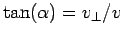 from the centre.
.
.
.
.
.
.
.
.
.
.
.
.
.
.
.
.
.
.
.
.
.
.
.
.
.
.
.
.
.
.
- ... maser11.15
- A maser is a laser that operates in the mm regime.
.
.
.
.
.
.
.
.
.
.
.
.
.
.
.
.
.
.
.
.
.
.
.
.
.
.
.
.
.
.
- ...
Wambsganss12.1
- see
http://www.livingreviews.org/Articles/Volume1/1998-12wamb
.
.
.
.
.
.
.
.
.
.
.
.
.
.
.
.
.
.
.
.
.
.
.
.
.
.
.
.
.
.
- ...
If12.2
- I took this part, including the figures, from W Evans' 2003
review, see astro-ph/0304252
.
.
.
.
.
.
.
.
.
.
.
.
.
.
.
.
.
.
.
.
.
.
.
.
.
.
.
.
.
.
- ... collaboration12.3
- http://wwwmacho.mcmaster.ca/
.
.
.
.
.
.
.
.
.
.
.
.
.
.
.
.
.
.
.
.
.
.
.
.
.
.
.
.
.
.